Why Immediate Water Damage Restoration Is Critical After a Flood
Ruth K. Haddad July 29, 2026 0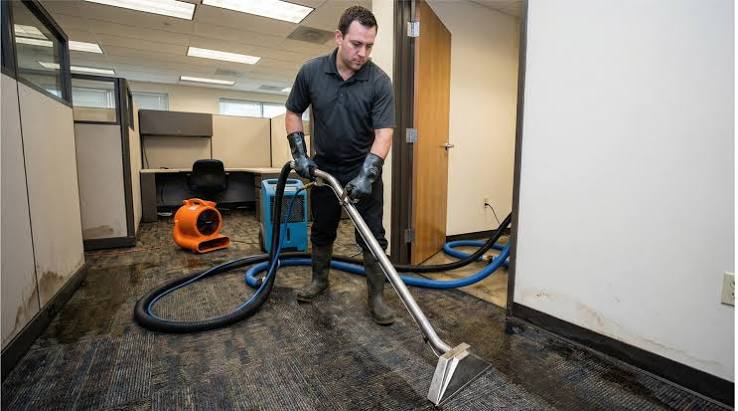
Introduction
Floodwater can alter a property within hours. Flooring swells, plaster softens, wiring corrodes, and damp air spreads through closed rooms. Early action reduces repair costs and limits health risks before they grow harder to control. Fast restoration also protects documents, furnishings, stock, and hidden structural parts. For households and businesses, the first day after a flood often decides whether recovery stays manageable or becomes a long, expensive disruption.
Minutes Matter
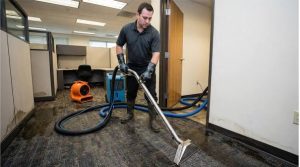
After a flood, standing water starts soaking carpet backing, timber, insulation, and skirting boards almost at once. Many Adelaide properties also face trapped moisture inside wall cavities and under floors. That is why Water Damage Restoration in Adelaide needs a rapid response, careful extraction, and proper drying steps before dampness turns into mould, odour, or deeper structural trouble.
Moisture Moves Fast
Water rarely stays where it first appears. Capillary movement pulls moisture into plaster, grout lines, subfloors, and joinery. Even clean water can become contaminated after passing through affected materials. Once saturation spreads, more surfaces need treatment, more contents need removal, and more time is required for drying. A short delay often creates a larger recovery zone.
Structural Damage Builds Quietly
Timber frames can warp, engineered boards may lift, and internal linings can lose strength after prolonged exposure. Metal fixtures also face corrosion when humidity remains high. Some damage stays hidden until stains, cracking, or movement appear later. Immediate restoration helps locate wet zones early, which gives technicians a better chance to stabilise materials before replacement becomes the only practical option.
Mould Growth Starts Early
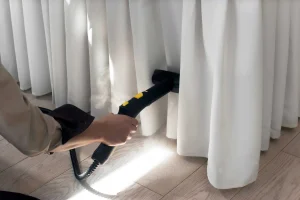
Mould can begin growing within one to two days when moisture and warmth remain unchecked. Spores spread through air currents and settle on soft furnishings, curtains, and stored items. That creates a wider cleaning problem than the original flood area. Quick extraction and controlled drying reduce that window, helping keep indoor conditions safer for staff, families, and regular visitors.
Health Risks Rise With Contamination
Floodwater is not always clean. Storm runoff, sewer backups, and overflowing drains may carry bacteria, chemicals, and debris into occupied spaces. Porous materials often absorb that contamination and become unsafe to keep. Fast professional handling supports safer disposal, cleaning, and sanitising. Early separation of affected items also lowers the chance of cross-contamination reaching nearby rooms or stored possessions.
Electrical Hazards Need Care
Water and electricity create obvious danger, yet the risk does not end once power is switched off. Moisture can remain inside outlets, switchboards, appliances, and cable paths. Restarting systems too soon may cause faults or further damage. Immediate restoration supports a safer inspection process, because drying plans can be coordinated with licensed trades before equipment and circuits return to service.
Insurance Evidence Is Stronger Early
Prompt action helps document the event while conditions are still clear. Moisture readings, photos, item lists, and loss details are easier to gather before cleanup changes the scene. That record can support claim discussions and reduce confusion about the flood source or extent. Delays often blur timelines, which makes it harder to show what happened and which materials were affected.
Contents Have a Better Chance
Furniture, rugs, paper records, stock, and electronics can often be saved when triage starts early. Speed matters because dyes bleed, veneers separate, and mould spots spread quickly on soft goods. Targeted drying and controlled airflow improve recovery odds for many items. Once saturation sits for too long, restoration options narrow and replacement costs rise across several categories at once.
Business Interruption Gets Longer
For commercial sites, every extra day of closure can affect bookings, staff schedules, supplier commitments, and customer trust. Damp odours or unsafe walkways may also prevent a partial reopening. Early restoration shortens downtime by organising extraction, drying, monitoring, and cleaning in a clear sequence. That structure helps businesses resume normal activity sooner, with less disruption to daily operations.
Conclusion
Immediate restoration matters because flood damage expands in layers, not just on visible surfaces. Quick extraction, drying, and assessment limit structural decline, reduce mould risk, protect contents, and support cleaner insurance records. Fast action also helps homes stay healthier and businesses reopen sooner. In practical terms, the first response period is the best chance to control cost, contain damage, and keep recovery from becoming far more difficult later.